
Sometimes folk songs that survive into modernity barely change from their original ancient form. But other songs transform again and again as they’re passed from artist to artist, from mouth to ears, until you have something new: a musical alchemy of past and present; a patchwork quilt to which each new singer adds a square; a renovated house encompassing the bones of the original with a new coat of paint and a couple of extra rooms and maybe the addition of a nice redwood deck with a hot tub out back. Okay, I’m done with the metaphors.
“Kisses Sweeter Than Wine” doesn’t sound like a centuries-old Irish folk song, but it received a few alterations on its way to becoming a Top 10 hit for Jimmie Rodgers in 1957.
It all began back in ye olden days with a song called “Drimindown,” written by an unknown Irish bard, telling a metaphorical tale about a farmer and a dead cow. Sounds like standard fare for the time. Unlike many folk songs, however, this one survived and was still being sung into the 20th century.
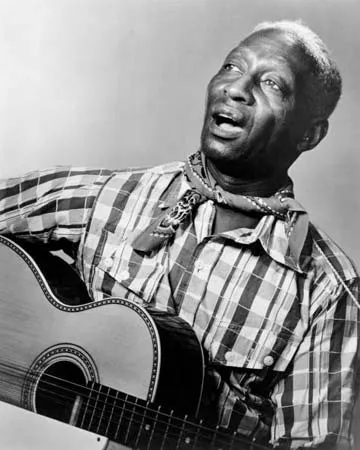
Jumping to New York in the 1930’s, folk artist Huddie “Lead Belly” Ledbetter heard Irish singer Sam Kennedy perform a traditional a capella version of “Drimindown” and liked the melody, but felt it could be improved with a little rhythm and blues. So Lead Belly strummed some chords on his acoustic guitar, added a distinctive riff, and rewrote the lyrics (but kept the farmer and the cow) with the title “If It Wasn’t For Dicky.” Good luck trying to figure out all of the lyrics. And who exactly is Dicky? Good luck with that, too.
Hold on, there’s more.

Immortal folkie Pete Seeger was very familiar with Lead Belly’s songs, and he and his group The Weavers had already scored a popular hit with Lead Belly’s “Goodnight, Irene.” So when the group needed a new song, Seeger thought they could do something with “If It Wasn’t For Dicky,” and he and his fellow Weaver, Lee Hays, rewrote the lyrics as a love song (still keeping the ancient melody mostly intact) and retitled it once again, this time as “Kisses Sweeter Than Wine,” which became a hit single for the group in 1951. Their version took out the rhythm and the riff and emphasized the folkier aspects of its source material.
Which finally brings us to Jimmie Rodgers.
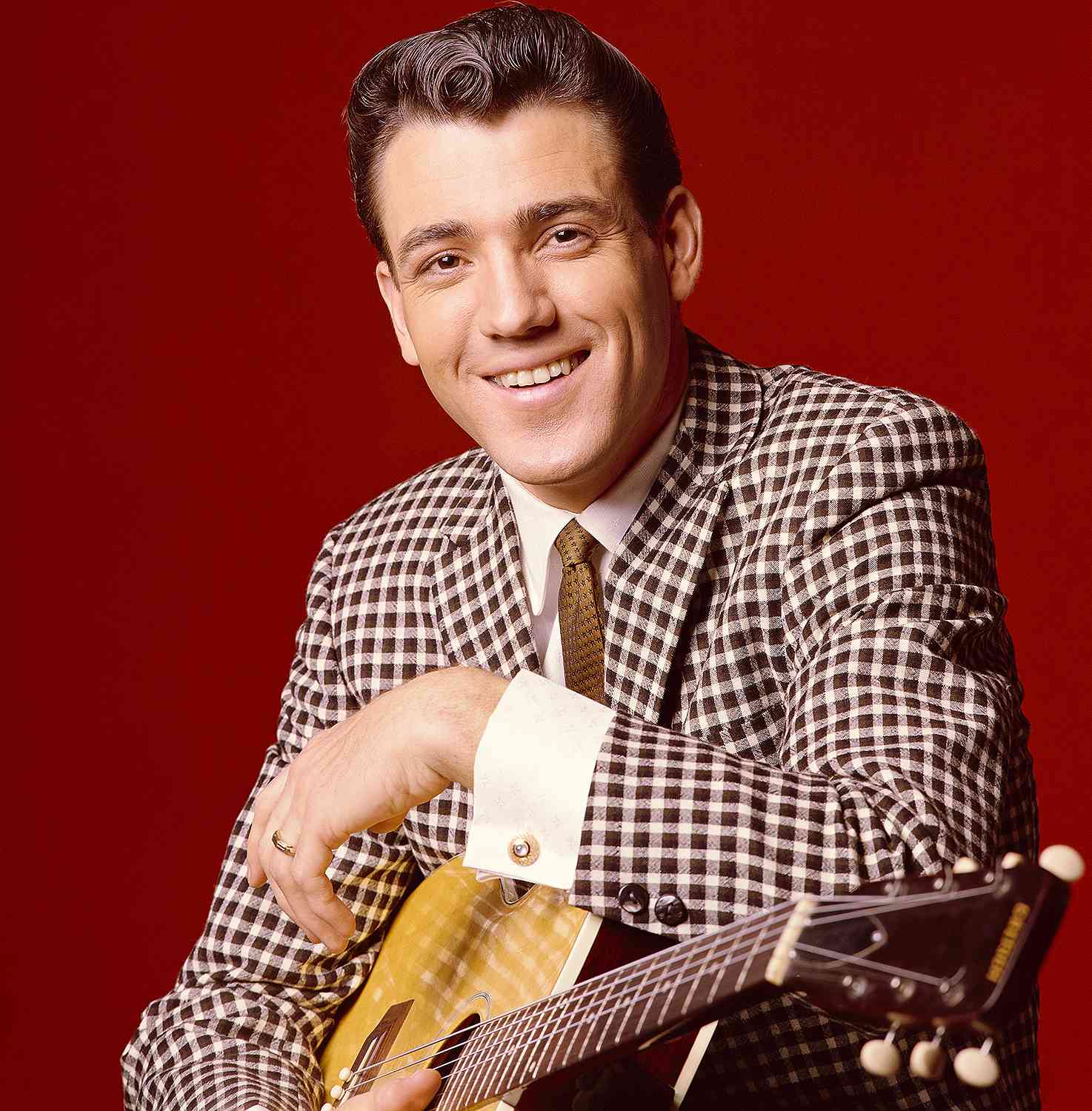
Rodgers grew up loving music but wasn’t sure how to go about actually making a career out of it. Luckily, during a hitch in the Air Force, he found himself stationed in Nashville, the music capitol of both rock & roll and country. During that time, he won on Arthur Godfrey’s talent show (the America’s Got Talent of its day) and first heard a song called “Honeycomb,” which he would cover and take to #1 in 1957.
His follow-up single was a little ditty about a fertile family who can’t resist kissing their spouses (and can’t seem to stop at kissing) — and that, of course, was “Kisses Sweeter Than Wine.” Influenced by the recent rock & roll and rockabilly revolution, Rodgers added a jaunty, insouciant rhythm that took the song out of the folk world, and the rising key changes after every verse, coupled with a sly, winking vocal, mirrored the rising amorous tension of its characters. The single reached the Top 10 in both the US and UK (his biggest hit there) and sold over a million copies. The old shack just needed the addition of a redwood deck and a hot tub.
So get to thinkin’ it over … with Jimmie Rodgers.
 1 2 3 o' clock 4 o' clock Rock
I can’t stop laughing. Drimindown !!
I’m delighted that you can’t stop laughing! That’s always been one of my intentions with this blog so I’m happy when it works!
Fascinating! I love hearing how songs change over time and between artists. And cool to know that Leadbelly was into Irish music.
I’m not super familiar with Leadbelly’s work (it’s extensive) but from what I do know he appears to have had wide-ranging taste. There are probably more stories out there of him bridging the past and present.
Oh goodness! This song has transformed so many times. Sadly, the one about Dicky isn’t a happy one. Here are the lyrics:
Ooohhhh, oohhhh, switches beated him down
And that everyone but Dicky I would change you right now
But this old man he had but one cow
He would send her to the field to be fed
And the way they beat old Jemma dropped dead
Ooohhhh, oohhhh, switches beated him down
When the old man heard that his cow she was dead
Over hedges and ditches and fields he had fled
Over hedges and ditches and fields that were ploughed
—– visit to the wife til they came to his cow
Ooohhhh, oohhhh, switches beated him down
When he first saw Jemma she was in the green grass
No ——————— Jemma so fast
She gave her milk freely without any bill
But the blood of her life spilled out of her pail
Ooohhhh, oohhhh, switches beated him down
So now I sit down and eat my dry meal
But I have no butter to put in my tea
I have no milk to sup with my bread
————————–
Ooohhhh, oohhhh, switches beated him down
I think it’s pretty clear what this is all about. Thanks for a truly fascinating post, Houston.
Yes, I looked up the lyrics and some interpretations while researching and even some LeadBelly scholars weren’t quite positive about deciphering the exact words he was singing sometimes. It’s interesting because in the original song the cow was supposed to represent Ireland as a nation. That part changed!
It fun to look at these song transformations when I run across them. Glad you enjoyed it!