Rock occupied a weird place in the early 2000s. Although grunge had crested and fallen years before, the long shadow it cast still lingered over the rock landscape; nu-metal and rap-metal dominated rock radio; bands who came up in the mid-90s, like Wilco and Radiohead, initially viewed as the next big things, abruptly switched course towards a quieter, more experimental sound. For fans who enjoyed short, sharp bursts of rock & roll, the situation looked bleak.
Two bands changed that. In America, you had The Strokes. And in the UK, you had The Libertines.
Peter and Carl met in the late 90s while attending different London universities. In short order they moved in together, dropped out of school (where Peter was studying literature and Carl was studying drama), and most importantly in terms of their future, decided to start a band. Their sound was punky, rough, and always threatening to fall apart, but also smart, humorous, and full of hooks. Considering their shared areas of interest, it’s not surprising they took inspiration from the writings of the Marquis de Sade and named themselves The Libertines.
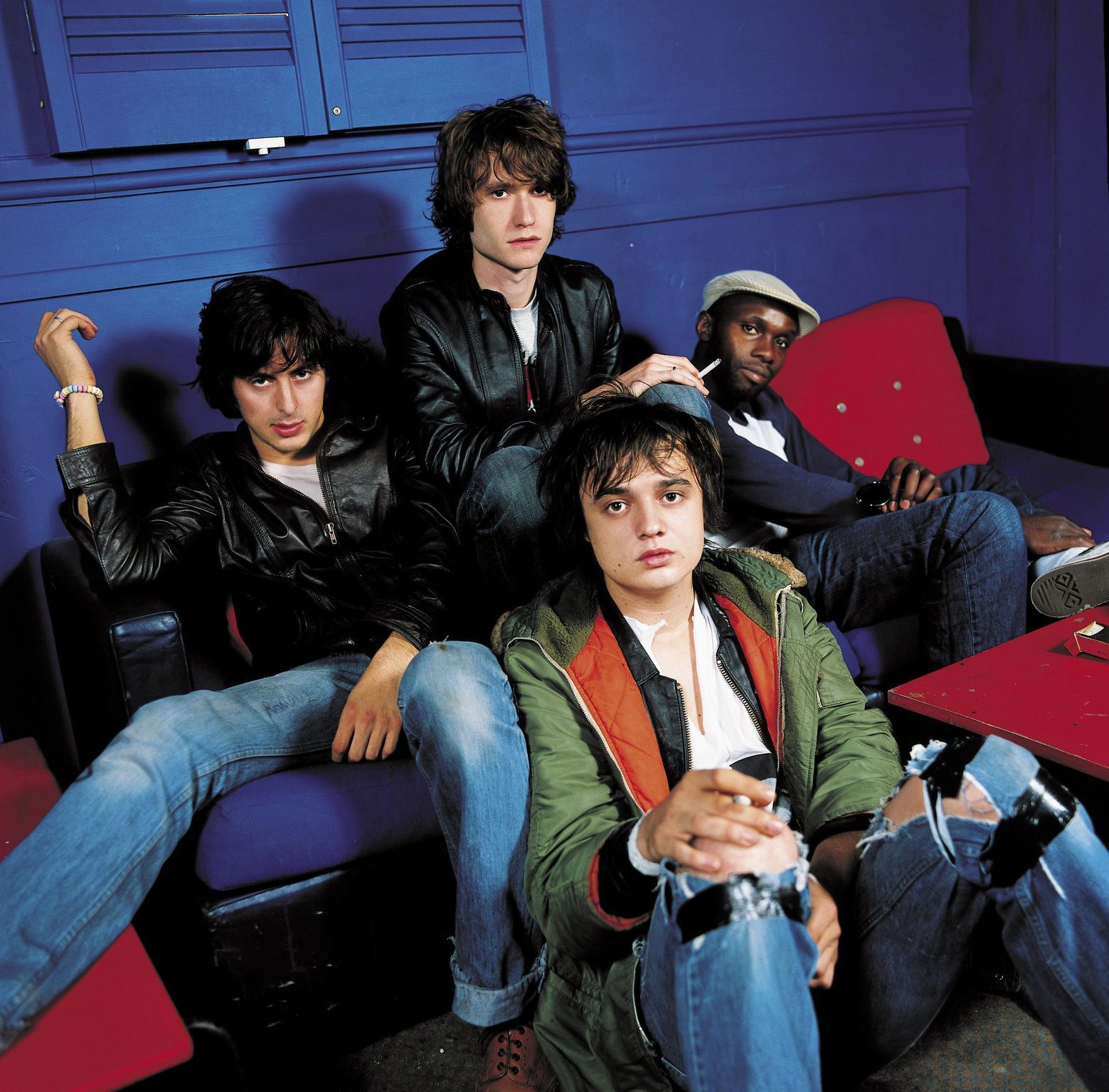
The band had difficulty gaining any traction — after all, this style of music wasn’t in vogue — but the success of The Strokes caused record companies to take a second listen and Rough Trade signed the band in 2001. Hoping sparks would fly without setting the place on fire, they put The Libertines in a studio with Mick Jones producing. It was a canny choice. The former Clash and Big Audio Dynamite guitarist had an ear for catchy rock and knew when to turn up the distortion and when to apply a little gloss, when to leave it shambolic and when to tighten the reins.
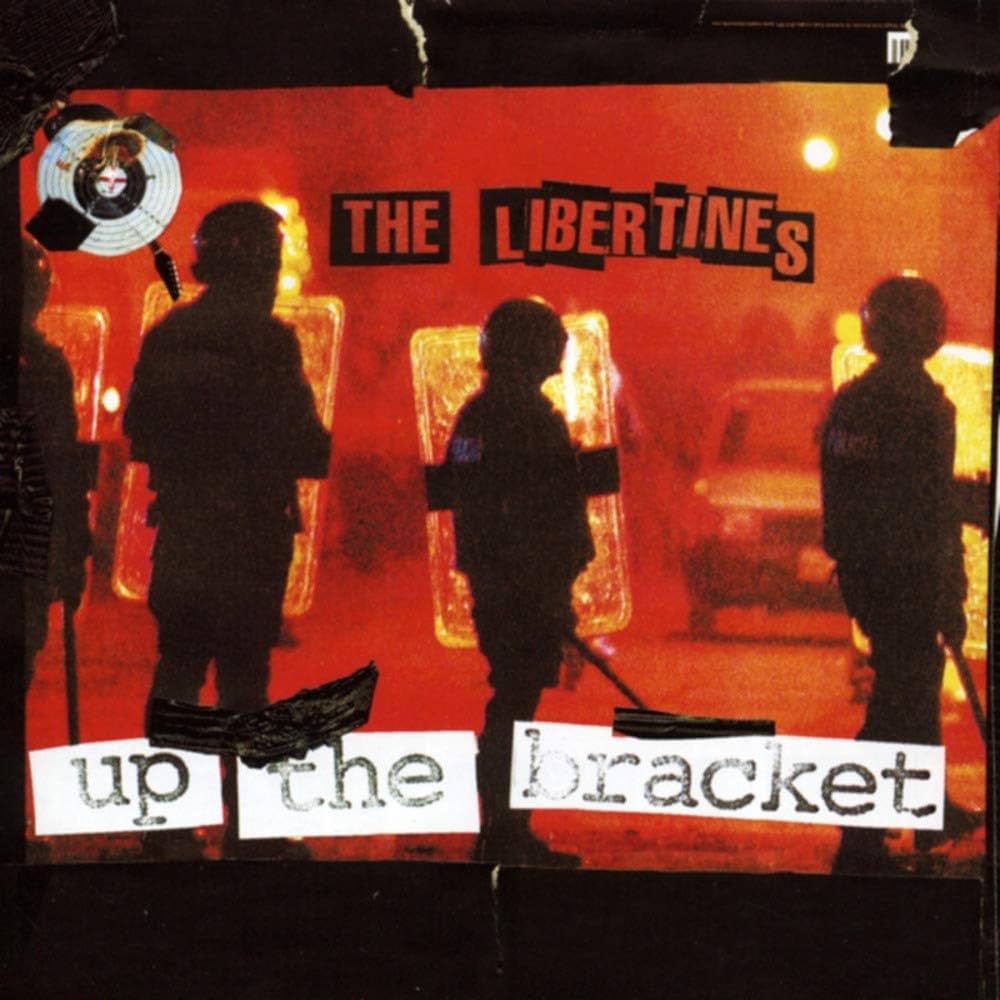
The Libertines’ debut album, Up The Bracket, exploded onto the scene in the fall of 2002, a blast of fresh air, full of youthful vitality and ready to give two fingers up whether you liked them or not. “Horror Show” wasn’t released as a single, but it arguably best represents the spirit and sound of the band (and prophetically describes their disintegration over the next two years). The chosen singles were only moderate hits on the main UK chart; however, the effects on the indie scene were immediate as a slew of guitar bands, primarily influenced by the post-punk and New Wave of the late 70s and early 80s, followed in their wake.
Rock & roll was back in fashion. At least for the time being.
So follow your mind’s instructions … with The Libertines.
 1 2 3 o' clock 4 o' clock Rock