From occupying the stage at the scuzziest punk dive in New York City to an Oscar nomination in just over 10 years. Even after countless false turns and dead ends, you just have to keep on moving, hoping you’ll find success around the next bend.
The man who became Willy DeVille hailed from a factory town in Connecticut. Wanting to escape what he viewed as a dead end future, he dropped out of high school in 1967, at the age of 17, and headed to NYC where so many of his early 60s music idols made their records. DeVille loved R&B and the blues, but by the time he arrived in town it was all acid rock and psychedelic pop, the antithesis of what Willy wanted to play. So he flew his rock & roll dreams to London in hopes of finding like-minded musicians there.

No such luck. So it was back to New York, but that hadn’t worked the first time so DeVille packed up and drove to San Francisco. Considering its reputation as the hippie epicenter, you wouldn’t think this city would be the answer, but he finally found his brothers in arms. They eventually adopted the name Mink DeVille (and William Borsey became Willy DeVille), playing a blend of bluesy R&B and tough rock & roll. Unfortunately, no one wanted to hear what they had to play.
Upon spotting an ad for “Bands Wanted” in New York, Willy DeVille decided that the third time had to be the charm and moved back to the city that never sleeps with his group in tow. In 1975, Mink DeVille got a job as the house band for a relatively new venue called CBGB.

CBGB has gone down in history for two reasons: firstly, as the birthplace of the American punk and New Wave scene in the mid to late 70s, the launching pad for The Ramones, Television, Talking Heads, Blondie and countless others; and secondly, for being one of the filthiest and most disgusting venues in the country (but with a great sound system). The bathrooms were legendary, and not for good reasons, as the joke went around that you contracted STDs or hepatitis from simply setting foot in them.
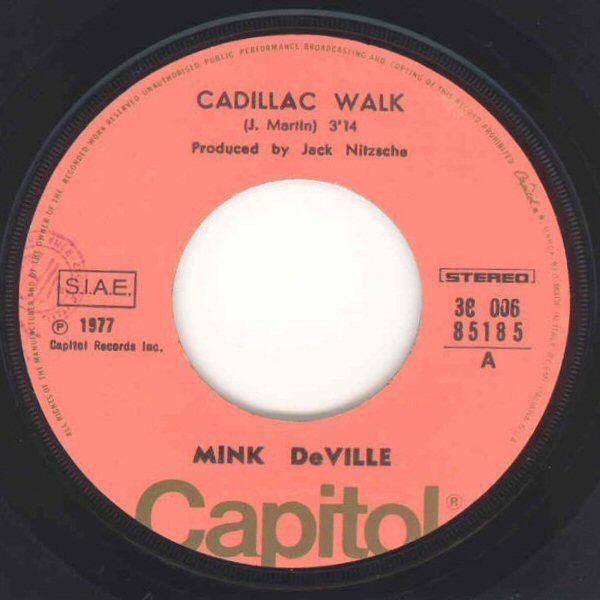
Mink DeVille spent the next three years in this germ-laden setting, each member earning about ten bucks a night playing their hearts out. Capitol signed the band and released their debut album in 1977, which featured a track called “Cadillac Walk” written by John “Moon” Martin, who would later pen the hit “Bad Case Of Loving You (Doctor Doctor).” It would become one of Mink DeVille’s signature songs — but not a hit. Although critically acclaimed, their music still never quite fit with what audiences of the time wanted, and after five albums the band called it quits and Willy went solo.
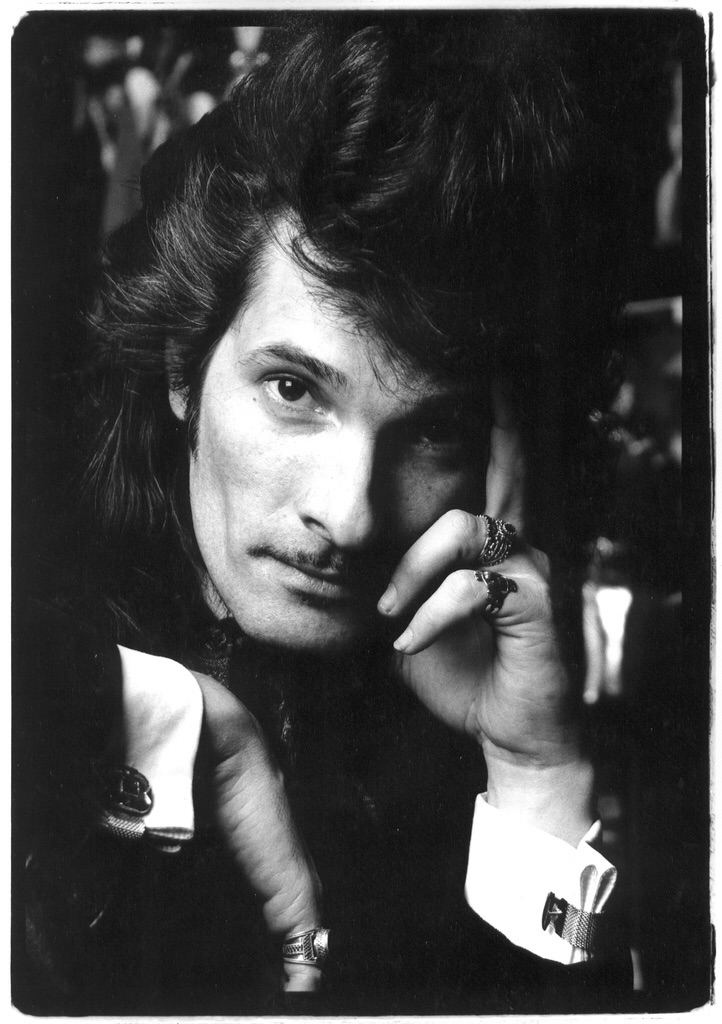
For his debut solo album, DeVille paired up with Mark Knopfler from Dire Straits in the producer’s chair. Knopfler had been hired to score the music for a movie called The Princess Bride, and when Deville played him a song he’d written called “Storybook Love,” Knopfler took it to director Rob Reiner. The song happened to fit the movie perfectly and the romantic tune played over the end credits. In 1987, “Storybook Love” was nominated for an Oscar for Best Song, losing out to “(I’ve Had) The Time Of My Life” from Dirty Dancing.
A music critic once wrote something to the effect of you could never tell with DeVille’s character whether he was going to pull out a rose or a switchblade. The tough guy with the tender heart went from walking grimy floors to walking the red carpet. Cadillac walk.
 1 2 3 o' clock 4 o' clock Rock