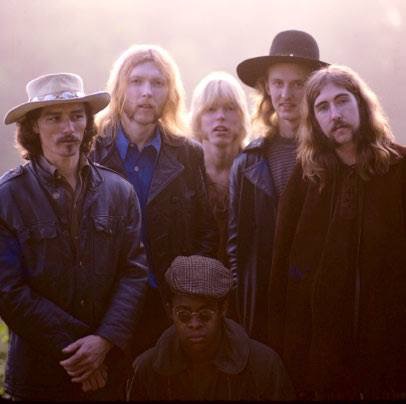
Southern rock. Plenty of rock & rollers from the South hit both the charts and our hearts in the 50s and 60s, but no one considered it a full-blown genre until a couple of long-haired brothers from Florida and their musical brethren drew the eyes of the country in a downward direction.
Duane and Gregg Allman started their first band together as teenagers in the mid-60s (The Allman Joys, dig?). After a couple of years of getting it together, they signed to Liberty Records and moved out to hip and happening Los Angeles — where they failed to become hip and happening. Following two unsuccessful albums, Gregg stayed in California but Duane moved to Alabama, becoming a top-flight session guitarist with the Muscle Shoals studio band, playing with Aretha Franklin, Wilson Pickett, and countless others. It was lucrative, but unsatisfying.
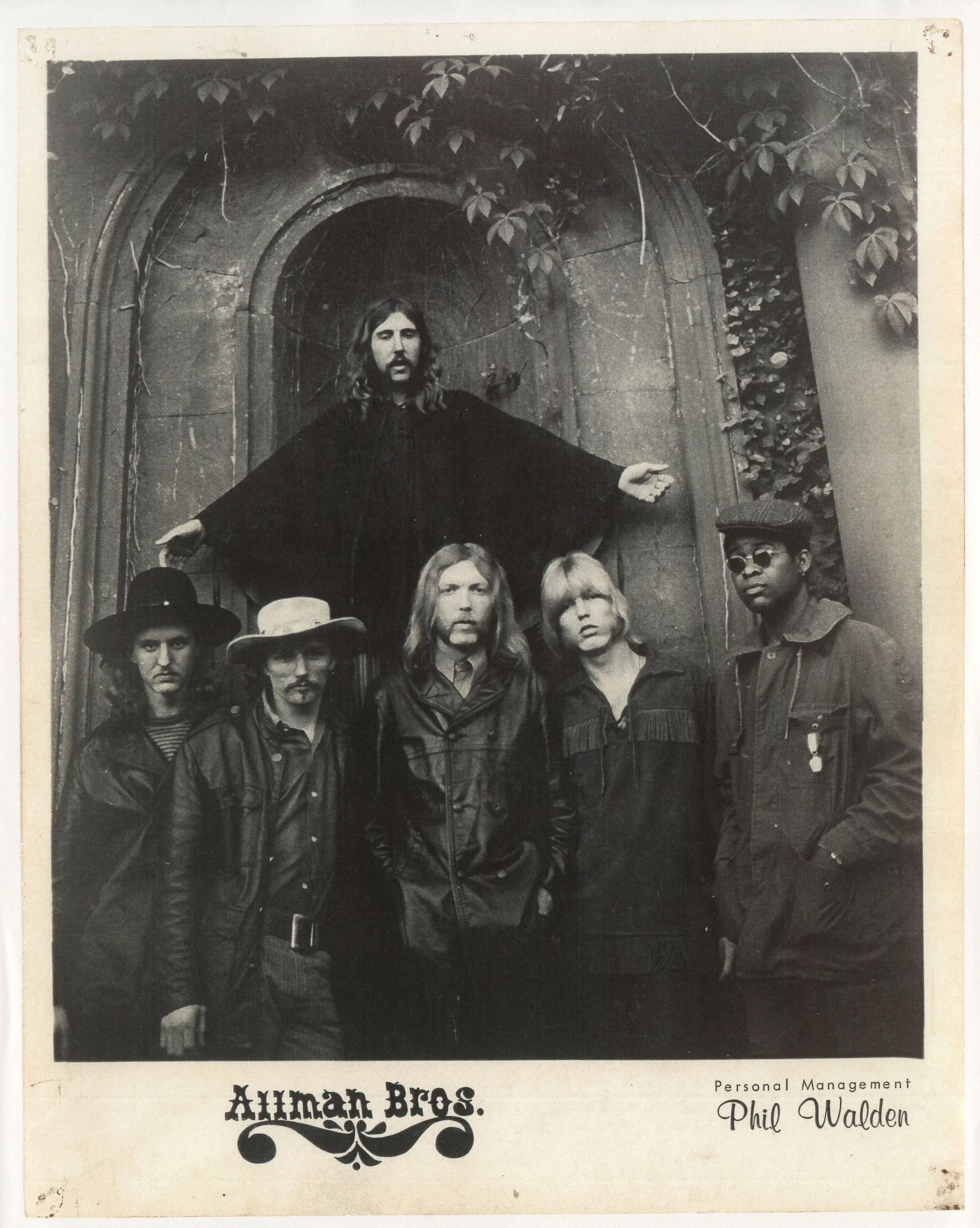
Duane was an eclectic cat and wanted to branch out of the strictly regimented studio work. He began jamming with various musicians he met on his travels and eventually a band coalesced with Dickey on guitar, Berry on bass, Jaimoe on drums, and Butch on more drums. Duane insisted his baby brother should be the vocalist and Gregg soon joined them to form the Allman Brothers Band.
The group’s first album barely made a dent and their second made only a slightly bigger dent. Having toured relentlessly to much audience acclaim over the previous couple of years, it was decided that a live album would best capture the spirit of the band. A wise choice. The album went gold and The Allman Brothers Band achieved hip and happening status. Southern rock was born and the band carried the torch for the next five decades.
Knowing many, loving none, bearing sorrow, having fun. Here’s the least you need to know:
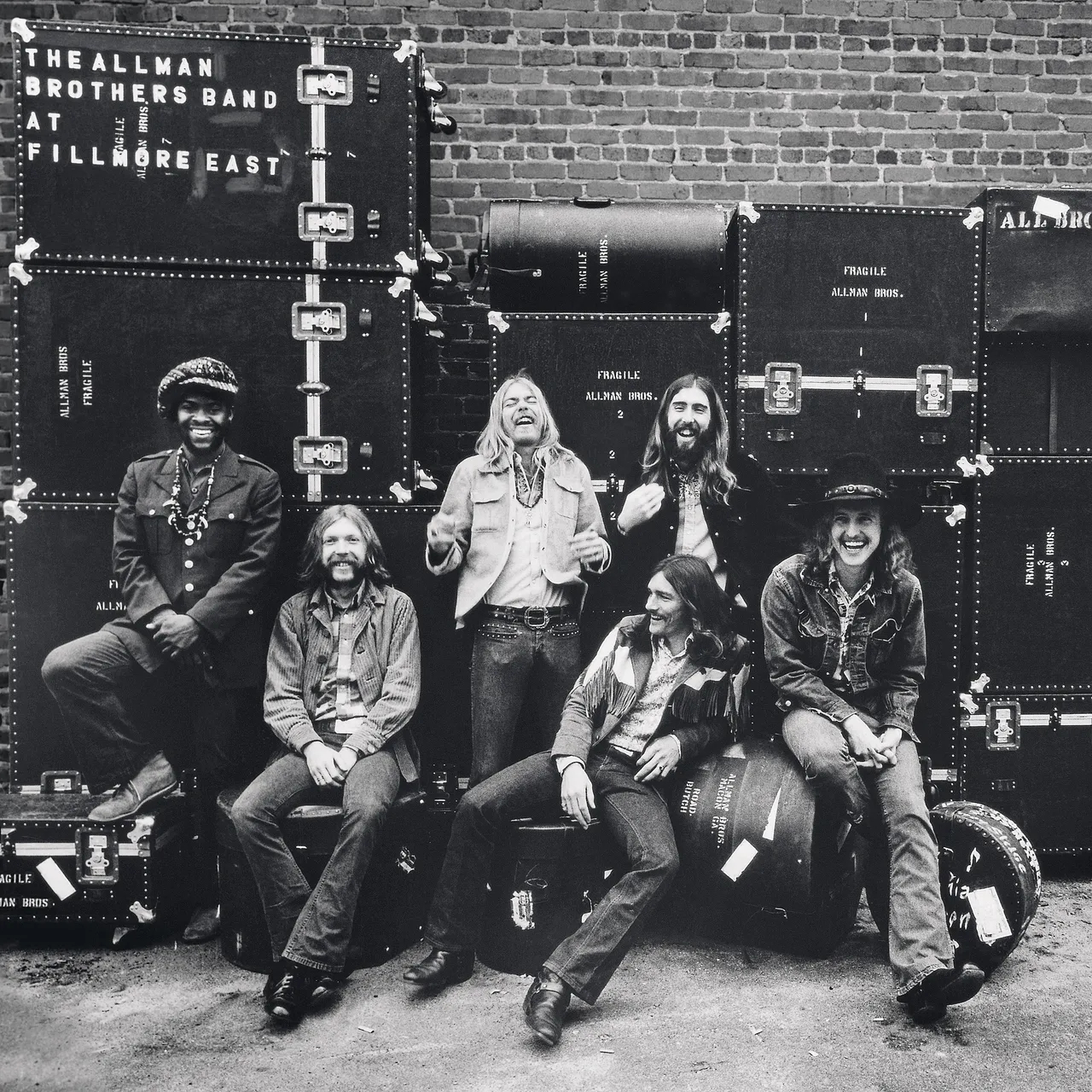
At Fillmore East (1971) Two nights at New York’s legendary music venue. Seated front and center for a blues/jazz/rock juggernaut firing on all cylinders. With this album, the Allmans could justifiably lay claim to being the best live band in the country.
Eat A Peach (1972) Recorded both before and after Duane’s untimely death at the age of 24. Extended jams, more from the Fillmore shows, acoustic pieces, and radio-friendly numbers. A showcase for everything the band could do, and what they could have become.
A Decade Of Hits (1969-1979) If you become a Southern rock, or blues rock, or Duane Allman connoisseur, then you will need the band’s first two albums. Otherwise, this collection hits the high points both before and after the two records above, featuring a number of songs with which you should be familiar if you want to keep your music geek credentials. If you want to dip more than your toes in but not fully immerse, Gold doubles the length and provides an excellent overview.
 1 2 3 o' clock 4 o' clock Rock
Have always loved these guys. ❤️
Me, too. Duane Allman is among my favorite guitar players. I usually prefer concise songs but I could listen to him jam for hours.