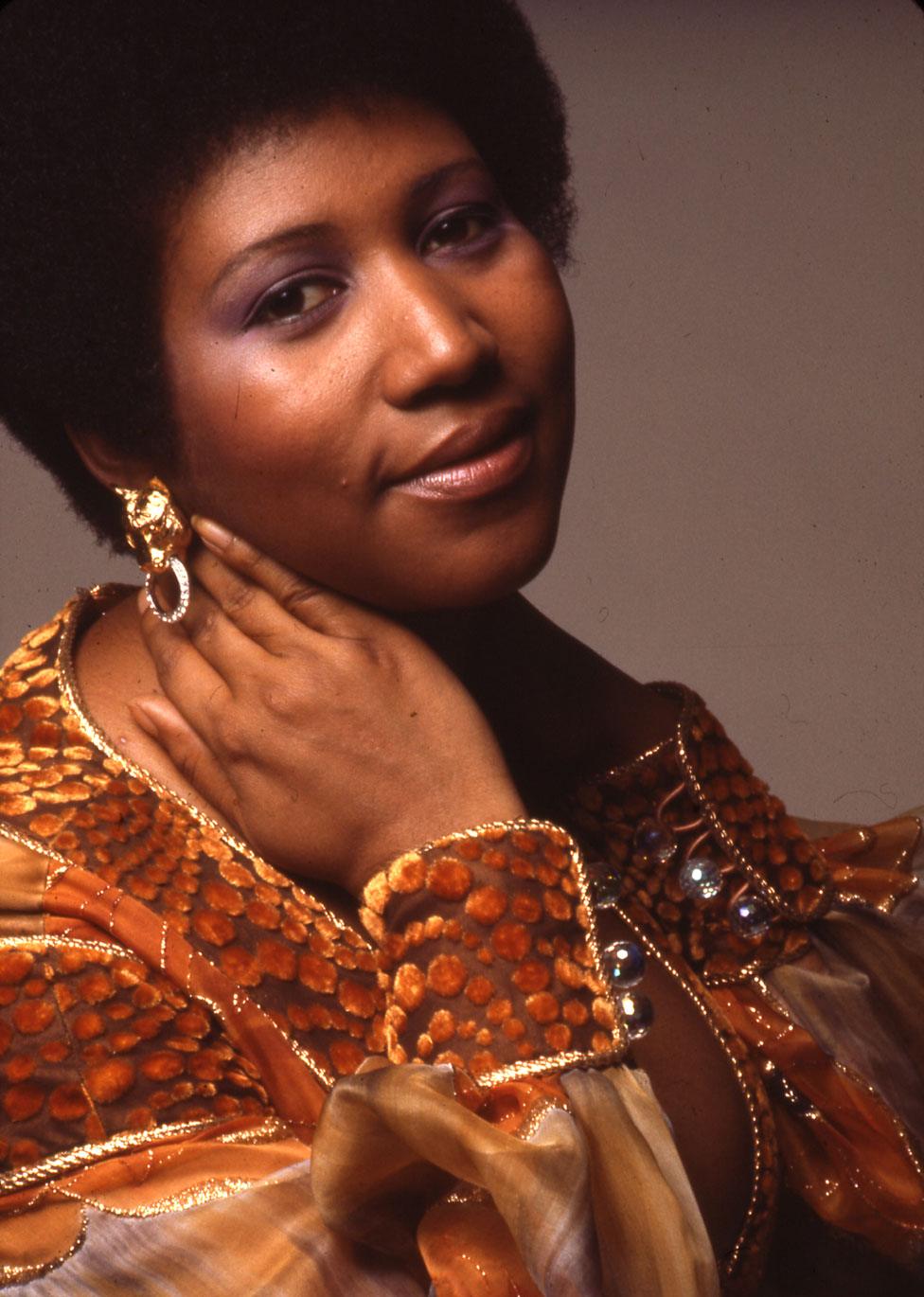
The Queen Of Soul.
It would be impossible to mess up with a singer who became known as The Queen Of Soul, right? Just leave her alone to sing and play piano while you sit back and watch the hits and the money roll in.
Right?
Aretha Franklin was born in Tennessee in 1942 but spent the bulk of her childhood in Detroit, singing in the gospel choir of the church where her father preached. She also toured the country on the gospel circuit and met everyone from Sam Cooke, to Mahalia Jackson, to the Staples family. Everyone knew she was going to be a star.
Eventually deciding she wanted to focus on secular music, Franklin signed with Columbia Records at the age of 18. She immediately scored a couple of Top 10 R&B hits in 1960 and then spent the first half of the decade struggling to find success on any chart (her only single to appear in the Top 40 peaked at #37). Part of the problem stemmed from Columbia’s indecision about what to do with her: they initially attempted to make her a jazz singer, also incorporating pop, show tunes, standards, and the rare blues or R&B song, but it was all too scattered to make an impact.
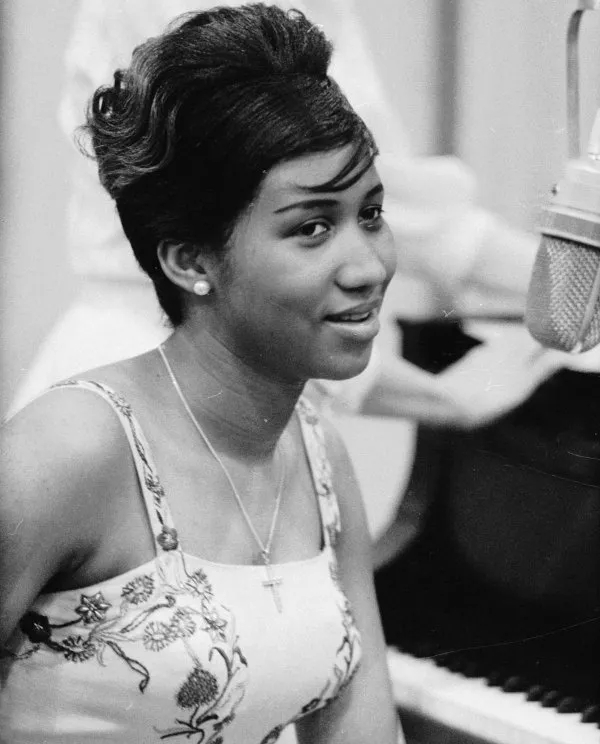
Although they had Bob Dylan on their roster, Columbia’s reputation rested almost exclusively on pop and jazz. They had no real experience with R&B or the newly emerging sound known as soul. So when Franklin’s contract expired in 1966, she left Columbia and signed with one of the hottest labels in the country, Atlantic Records. And they knew precisely what do.
Atlantic paired Aretha with Jerry Wexler — who had spent years producing hits for Ray Charles, The Drifters, Wilson Pickett, and many others — and Wexler had the idea to pair Aretha with the famed Muscle Shoals rhythm section as her backing band. Gone were the jazz and pop standards. Wexler and Franklin chose material that better suited her voice and the times.
After that Atlantic sat back, let Aretha sing and play the piano, and watched the hits roll in. And they never stopped rolling.
Take care, TCB. Here’s the least you need to know:

I Never Loved A Man The Way I Love You (1967) Aretha unleashed. Free from Columbia and ready to belt out her truth, love, and soul. Finally some R-E-S-P-E-C-T.
Lady Soul (1968) Third album, more of the same. Successfully not messing with success.
The Atlantic Singles Collection (1967-1970) Basically any album which covers the early Atlantic singles will do. Indispensable. This is a more comprehensive double disc set, but Aretha’s Gold also serves well if you want a brief blast of the best. If you want to dig deeper, there are many compilations which cover her entire Atlantic output through the 70s.
 1 2 3 o' clock 4 o' clock Rock
An absolute star.
Too right! What a voice. I could listen to “(You Make Me Feel) Like A Natural Woman” forever.
She lives on as the Queen of Soul!
Indeed she does!