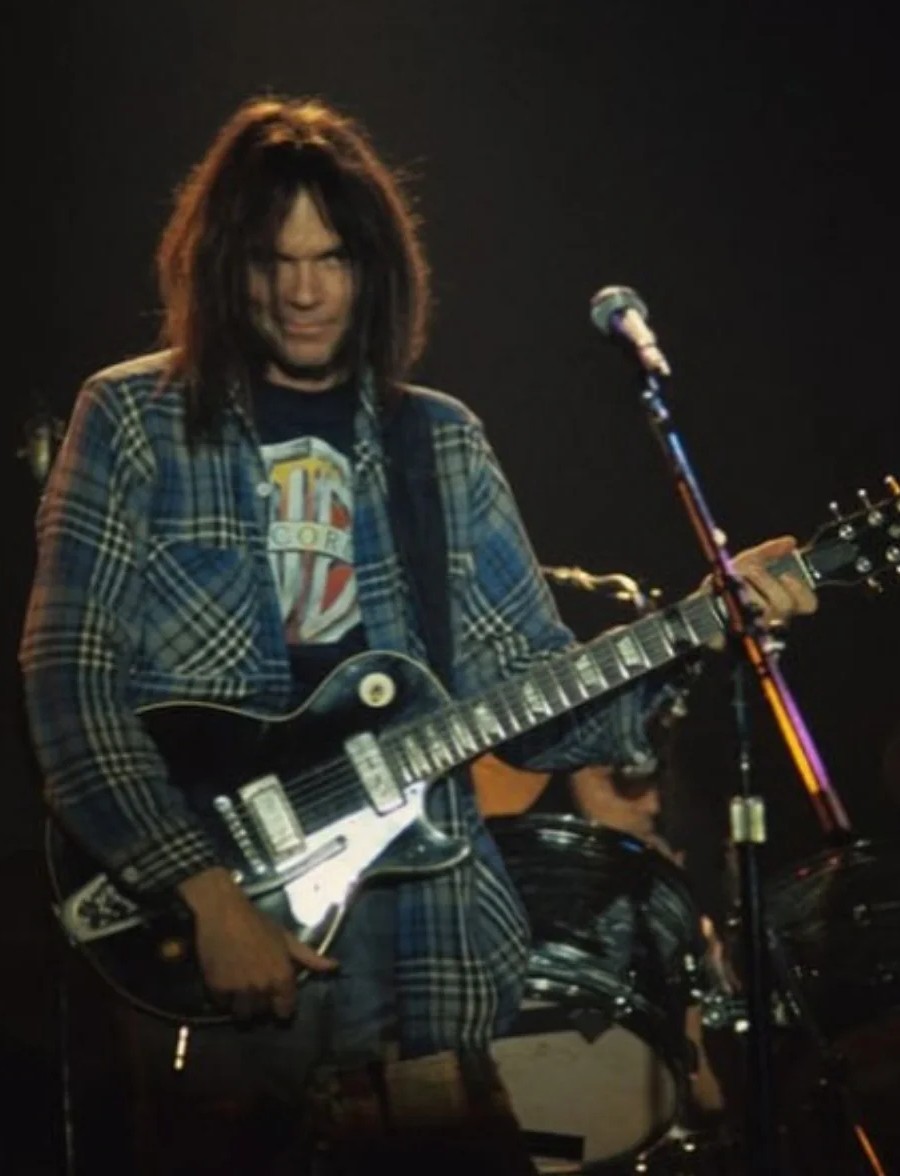
In 1976, Neil Young and Stephen Stills recorded an album together called Long May You Run. They had established a close bond by this time, having played together off and on for the past decade, beginning with their days in Buffalo Springfield and then with various combinations of Crosby and Nash. The pair set up a tour to promote their new album and about halfway through it Stills received a telegram:
“Funny how some things that start spontaneously end that way. Eat a peach — Neil.”
That’s how Stephen Stills learned that Neil had left the tour. Classic Neil.
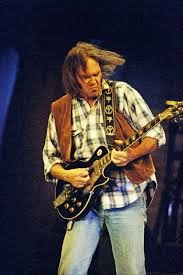
Neil Young spent his career trying to get a picture of himself added to the dictionary next to mercurial. He abandoned sessions, shelved a dozen complete albums, and is the only artist who’s been sued by his record company for making non-representative music. And yet, everybody continued to work with him time and time again, knowing the results would always be worth the risk — assuming they got results — and often employing the phrase, “That’s just Neil being Neil.”
Like Canada, the country that bore him, Young’s music contains a lot of open space, usually recorded live and featuring only drums, bass, and either two electric or two acoustic guitars. That’s it. But Neil can evoke more with that simple lineup than most bands can with a full orchestra. The atmosphere permeates the space. What Neil calls “the spook.”
Some get stoned, some get strange. Sooner or later, it all gets real. Here’s the least you need to know:
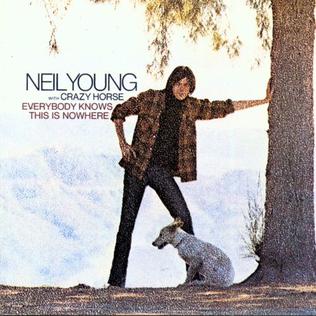
Everybody Knows This Is Nowhere (1969) Young’s debut with Crazy Horse, the band that backed him for half of his career. A blend of acoustic tracks, classic rock staples, and long electric guitar workouts. His first bona fide classic.
After The Gold Rush (1970) Establishes the basic sound he would use for the rest of the decade. It’s the dawn of the 70s and Neil is torn between the dream and the reality. A position he would maintain for most of his career. Sailing heart ships through broken harbors.
Harvest (1972) The commercial high. After a severe back injury, Young could only pick up an acoustic guitar. The singer-songwriter movement was at its peak and Neil slid right in, picking up a #1 with “Heart Of Gold.” Years later, Neil had this to say about the album and his chart-topping single: “This song put me in the middle of the road. Traveling there soon became a bore, so I headed for the ditch. A rougher ride, but I saw more interesting people there.”
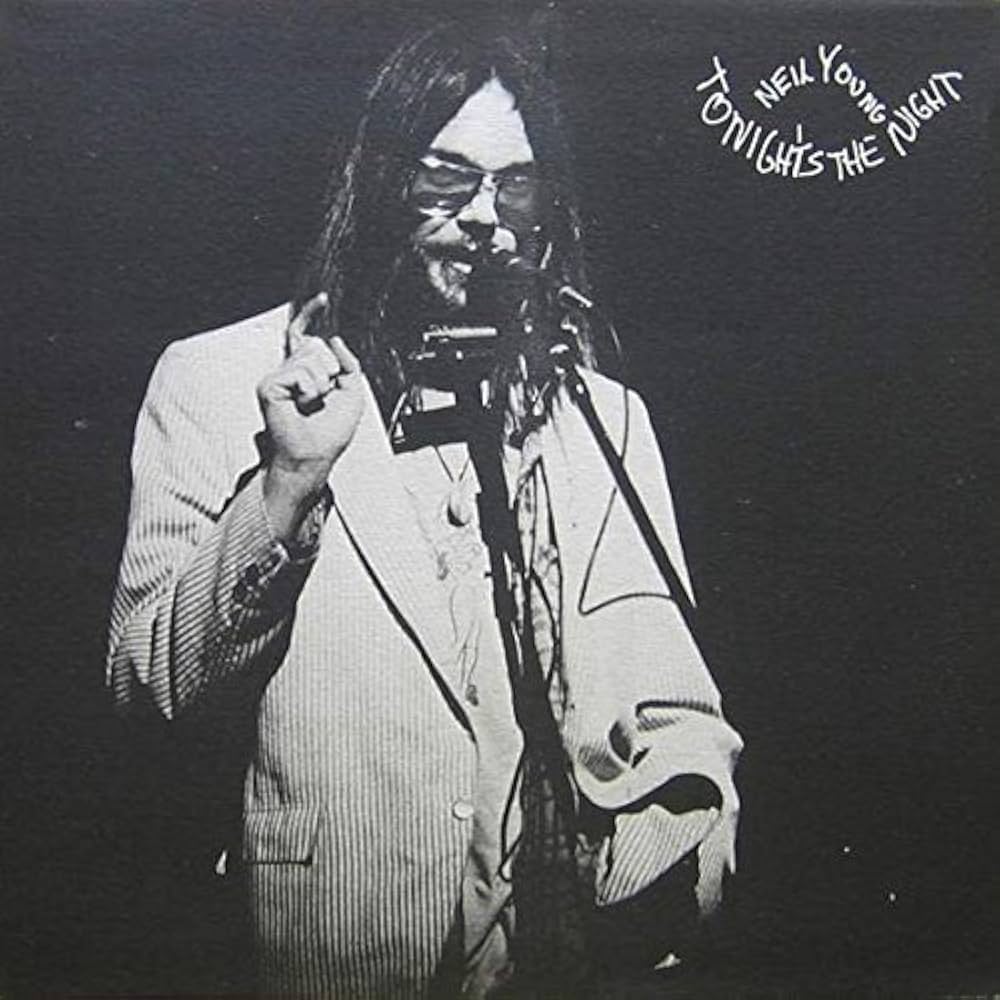
Tonight’s The Night (1975) Welcome to the ditch. The final album of what’s become known as The Ditch Trilogy. The long night’s journey into night. A dark, drunken, strangled cry of an album, partly inspired by the recent overdoses of both Crazy Horse’s lead guitarist and also one of Young’s roadies. Although recorded in 1973, right after Harvest, Neil decided not to release it. When preparing to release an album called Homegrown in 1975, he heard the tapes for Tonight’s The Night and decided to release that record and shelve Homegrown instead.
Rust Never Sleeps (1979) Closing out the 70s. In the wake of punk, Young shows he can still rock as hard as anybody. It’s better to burn out than fade away. Or is it?
Ragged Glory (1990) A pre-grunge roar of electric guitars and distortion. After a weird, roller coaster, genre-hopping 80s, Young returns with a creative vengeance and a garage rock stomp.
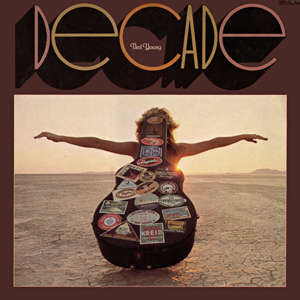
Decade (1966-1976) Exactly what it says on the label. A triple disc compilation spanning Young’s first 10 years, from Buffalo Springfield, through his collaborations with Crosby, Stills & Nash, and then his first years as a solo artist. [Unless there’s something I’m missing, this may be the first box set. Other artists had released 3-LP comps of greatest hits before (notably the Motown Anthology series), and there had been single records of B-sides and unreleased outtakes, but I can’t recall anyone combining them prior to Decade. Ten years later, Bob Dylan and Eric Clapton would release the first official box sets of the cassette and CD era, but I’m pretty sure it started with Neil. As a side note, the album was originally scheduled for release in 1976 but Young pulled it to tinker with the tracklist and it wouldn’t come out until 1977. Just Neil being Neil.]
You could easily add On The Beach, Zuma, Comes A Time, Live Rust, Harvest Moon, or Sleeps With Angels. All are considered classics and fan favorites. [Just in case, good reader, you should ever wonder about my objectivity when it comes to these “least you need to know” posts, my personal list would swap out two or three of the albums for two or three in the addendum list. But it’s not about what I want — it’s about what you need.]
 1 2 3 o' clock 4 o' clock Rock
So fun to hear that voice again. Sugar Mountain is still a favourite song of mine.
Neil is one of my absolute favorites. And the opening verse of “Sugar Mountain” is the lyric of his which most often pops into my head.
I remember getting hooked on Neil when I bought Ragged Glory on tape in Jakarta!
Drake
I had a neighbor who was really into Neil but Neil didn’t fully click with me until the same time as you. I bought Everybody Knows This Is Nowhere and then Ragged Glory around the same time. Then I got everything I could. I’ve got one of his reissued records showing up tomorrow!