Romanticizing the outlaw is a staple in all genres of music, and that’s especially true of reggae. Throw in a hit movie and you have all the makings of a cultural phenomenon.
James Chambers was born in Jamaica in 1944 and knew from a very young age he wanted to become a singer. As a teenager he started writing his own songs and possessed the self-confidence to give himself the stage name Jimmy Cliff, because those are the heights he intended to reach.
He hounded all the record producers he could find and entered every talent contest in Kingston. Finally, deciding to take matters into his own hands, Cliff walked into a record shop/restaurant, approached one of the owners, Leslie Kong, and convinced him they should go into business together. Kong had no experience, but was so impressed with Cliff’s singing and his moxie that he did, in fact, start a record label. The first couple of singles didn’t hit, but the third, “Hurricane Hattie,” took Jamaica by storm in 1962, and Cliff (still a teenager) was on his way.
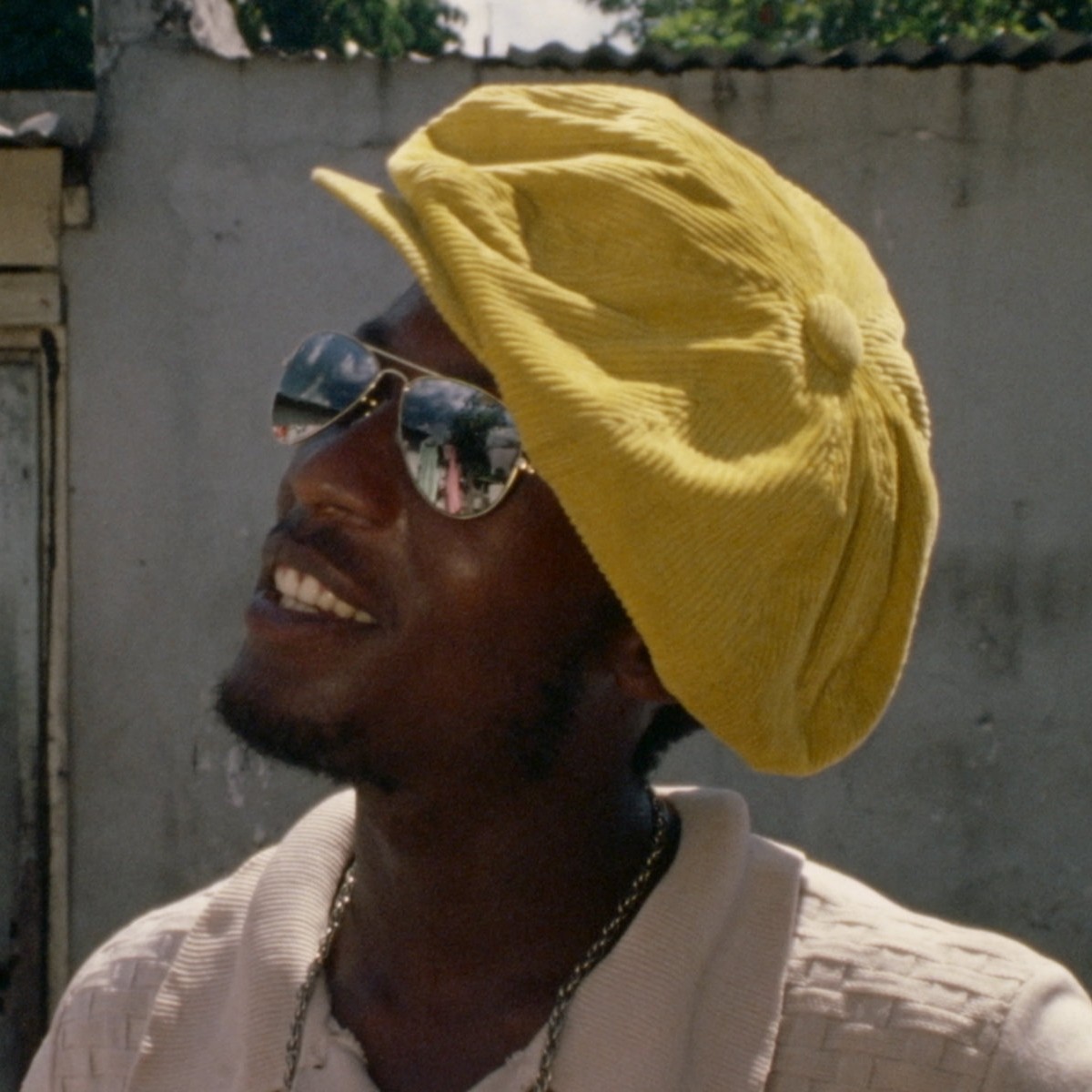
In a bid for a wider audience, Cliff signed with Island Records and moved to London. He had scored two Top 10 hits in the UK by the time he was approached in 1970 to star in a new movie. Jamaican filmmaker Perry Henzell had written a screenplay about a young man from the countryside named Ivanhoe who moves to Kingston and ends up getting taken advantage of by everyone on both sides of the law. Ivan also attempts to make it as a singer — somewhat mirroring Cliff’s own experience — but he’s cheated and ultimately becomes an outlaw on the run, which then fuels record sales and local popularity until it all ends in a hail of bullets.
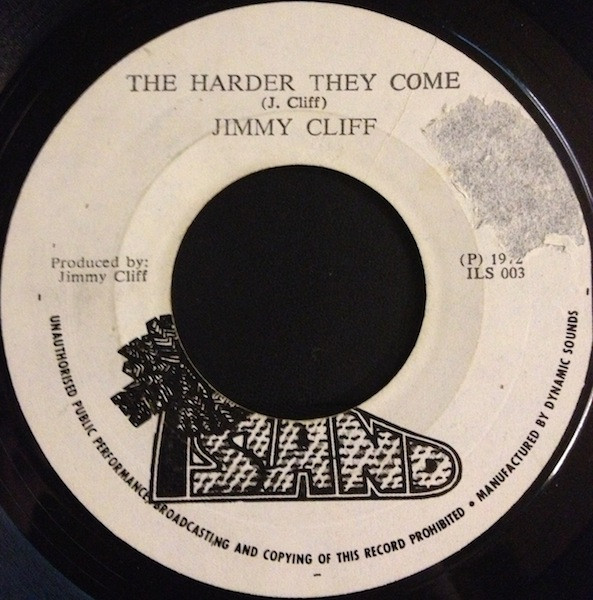
Henzell didn’t have a title, and it was Cliff who suggested The Harder They Come, and who then proceeded to write a song with that title. The movie showed actual footage of him in the studio recording “The Harder They Come,” which fit perfectly with the story of Ivan. The single wasn’t a hit when finally released in 1972, but the soundtrack album (featuring four songs by Cliff) became one of the foundational records of reggae and helped spread the gospel of this relatively new genre, particularly in the UK.
The movie, Jamaica’s first international release, also proved to be a worldwide hit, and did help to make Jimmy Cliff a star. Along with Bob Marley (who he actually discovered in the early 60s and sent to his producer Leslie Kong), Cliff became the name and face of reggae both in Jamaica and the rest of the world.
So keep on fighting for the things you want… with Jimmy Cliff.
The B-side to the single, which also featured on the soundtrack, became a classic in its own right:

