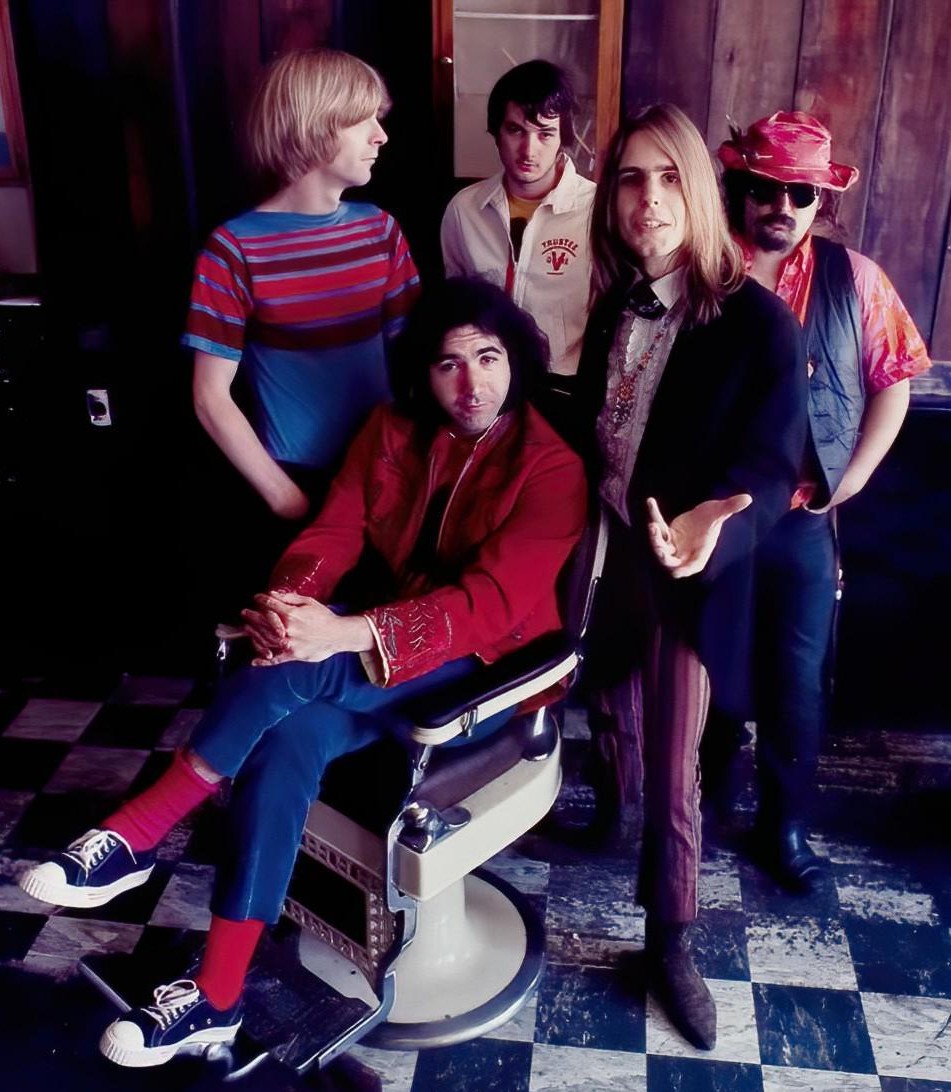
Good ol’ Grateful Dead.
They started in Palo Alto, CA as Mother McCree’s Uptown Jug Champions, then transformed into The Warlocks, and finally, thanks to a random — and providential — opening of a dictionary, became the Grateful Dead.
Jerry, Phil, Bob, and Bill played through the whole strange trip. Mickey left for a few years after his father stole most of the band’s money. Donna Jean and Keith went from watching in the audience to performing on the stage. Pigpen passed away not long after their first European tour. Tom, Brent, and Vince all played their parts (on keyboards). And, of course, Robert wrote most of the lyrics even though he didn’t play in the band.
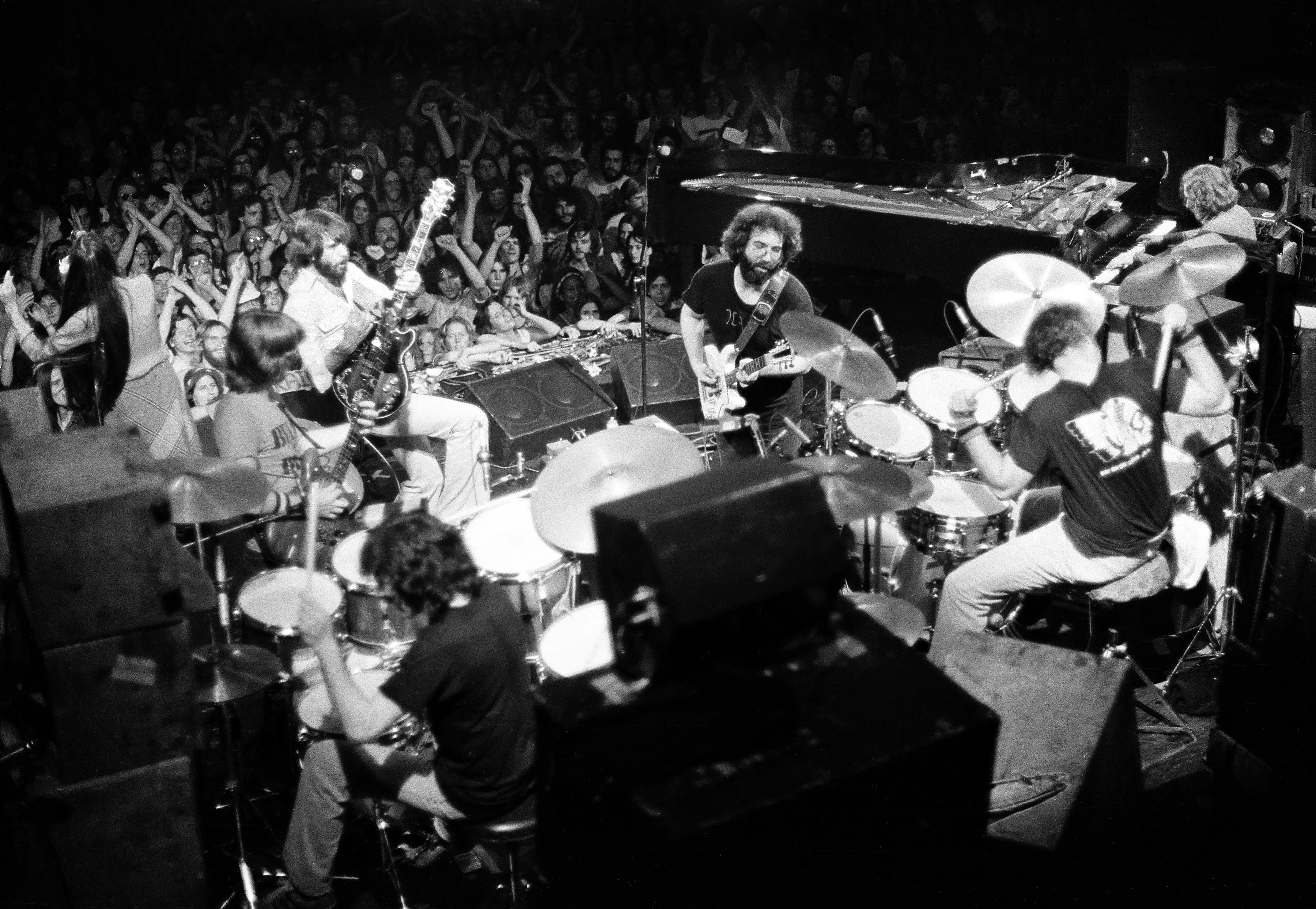
They weren’t the easiest group to work with. For their third album they suggested going out to the desert to record the sound of air. They regularly hung out with Hell’s Angels. They hated being photographed. They loved dosing beverages with LSD (you couldn’t drink anything around them unless it came from an unopened can or bottle). Merry pranksters, indeed.
But at heart they were simply polite (mostly), fun-loving, all-American boys (mostly) who didn’t dig on authority and just wanted to jam.
From psychedelic rock, to country rock, to R&B, to folk, to rock & roll, to jazz fusion, to reggae, to funk, the Dead played it all. Their fans became known as Deadheads, and the hardcore among them followed the group from city to city on tour, often bringing along state of the art taping equipment to record the concerts. They didn’t always understand every twist and turn the music took, but they enjoyed the ride.
Shall we go, you and I, while we can? Through the transitive nightfall of diamonds. Here’s the least you need to know:
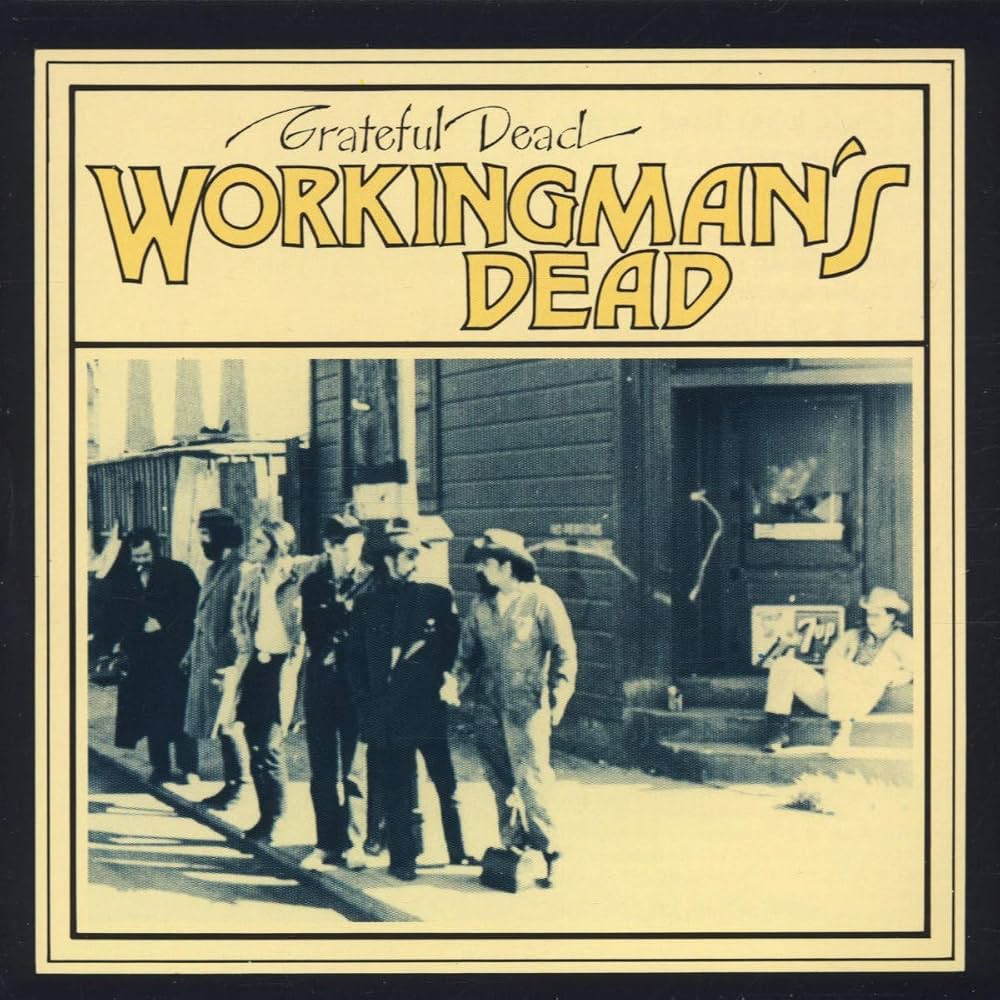
Workingman’s Dead / American Beauty (1970) The Dead embrace country rock, acoustic guitars, and radio-friendly tunes. They remained a cult band but that cult grew exponentially with these releases. The two titles you would find in a non-Deadhead’s record collection. It’s all a dream we dreamed one afternoon, long ago.
Europe ’72 (1972) A document of the band’s first major tour outside the US. Two buses contained the craziness as the whole circus moved through England, Denmark, West Germany, France, and the Netherlands. One dude called The Wizard sat in a remote recording truck and made sure to get all the magic captured on tape. Like any good trip, the Dead had many peaks, and the spring of 1972 was one of them.
The Very Best Of The Grateful Dead The Dead are best heard in the context of their studio albums and concerts, but for academic purposes this selection hits the highlights from the length and breadth of their career. For something more than a toe in the water but less than diving into the deep end, the similarly titled Best of The Grateful Dead doubles the length, and there’s also a two-disc Best Of The Grateful Dead Live if you’re so inclined.
For further study: If you like the band’s early 70s sound, Jerry and Bob’s respective solo albums from 1972 are a necessity. For the group’s more psychedelic, experimental work, go back to their first three albums. To hear them start to expand their musical palette, go to the three albums they released in the mid-70s on their own label. To explore their live sound, begin with 1969’s Live Dead, 1971’s Grateful Dead (aka Skull & Roses), or Cornell 5/8/77 (real Deadheads speak in dates when referring to specific shows). To continue on the journey, seek out the Long Strange Trip documentary from 2017.
If you start to seriously get into the Grateful Dead, the Grateful Dead will seriously get into you.
From their first record (and on Very Best):
Some radio hits:
Live in Paris:
A couple from the mid to late 70s:
The Dead’s biggest hit, from 1987:

