It was the proggiest of times, it was the poppiest of times. A tale of two bands.
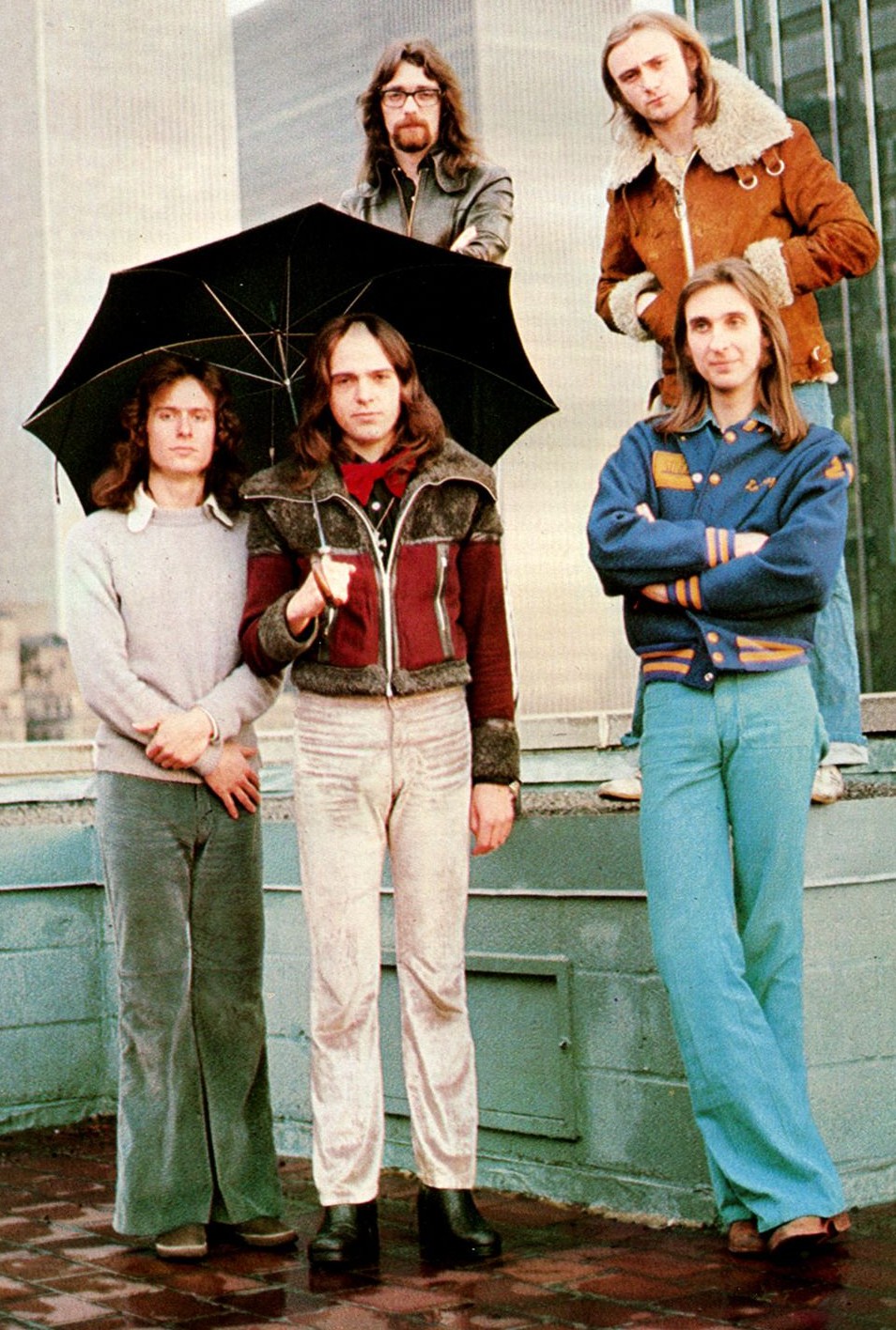
The first incarnation. Genesis began as the most English, and the most literary, of the prog band wave. Not really surprising since Peter Gabriel, Tony Banks, and Mike Rutherford met as young teenagers in a private boarding school in Surrey in the mid-60s. Still in their uniforms, the group released their debut album before they’d even graduated, though it only sold to a handful of friends and family. The band took time off to finish school and briefly contemplate university before devoting themselves full-time, every waking hour, to the band and the music.
Eventually Genesis added Steve Hackett and Phil Collins (neither of whom had attended boarding school), who taught the others how to loosen up (a bit) and rock, and the band started to build a following. They attracted the eyes and ears of the music press when Peter began donning costumes at their live shows, most notably an outfit comprising a giant fox head and his wife’s low-cut red dress.
As with all prog rockers, Genesis mixed their shorter songs with side long epics. Theirs were filled with obscure storytelling and a rich mixture of characters, with Peter adopting a myriad of voices, especially during their rock opera, The Lamb Lies Down On Broadway.
The Lamb tour in 1974 proved grueling, not helped by constant technical difficulties, and Peter — wanting to be closer to his family and desiring creative freedom — decided to leave the band at the end of the tour, at the height of their success.
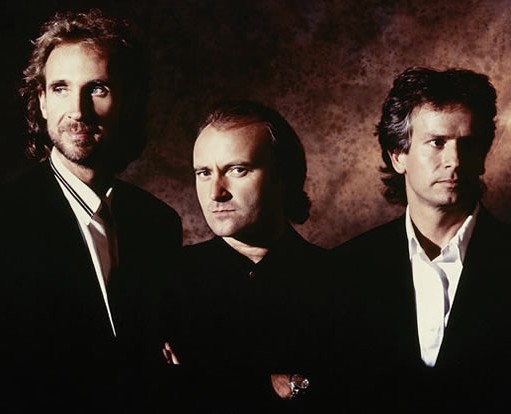
The second incarnation. Many predicted the demise of Genesis with the departure of Gabriel, but the band immediately started auditioning dozens of singers. Phil, who had provided backing vocals for years, would sing the songs for the prospective singers to learn, and eventually the band realized he was actually the best of the bunch.
Genesis initially kept the same basic prog sound, but slowly became more and more direct with each subsequent album, both musically and lyrically, scoring their first UK Top 10 hit (and first big US hit) in 1978. The 1980s would see them streamline their sound even more, leading to a constant parade of hits, and the kids who bought their records would never have guessed that 10 years prior the band was releasing 23-minute epics sung by a dress-wearing fox.
Pythagoras with the looking glass reflects the full moon. All I need is a TV show — that and the radio. Here’s the least you need to know:
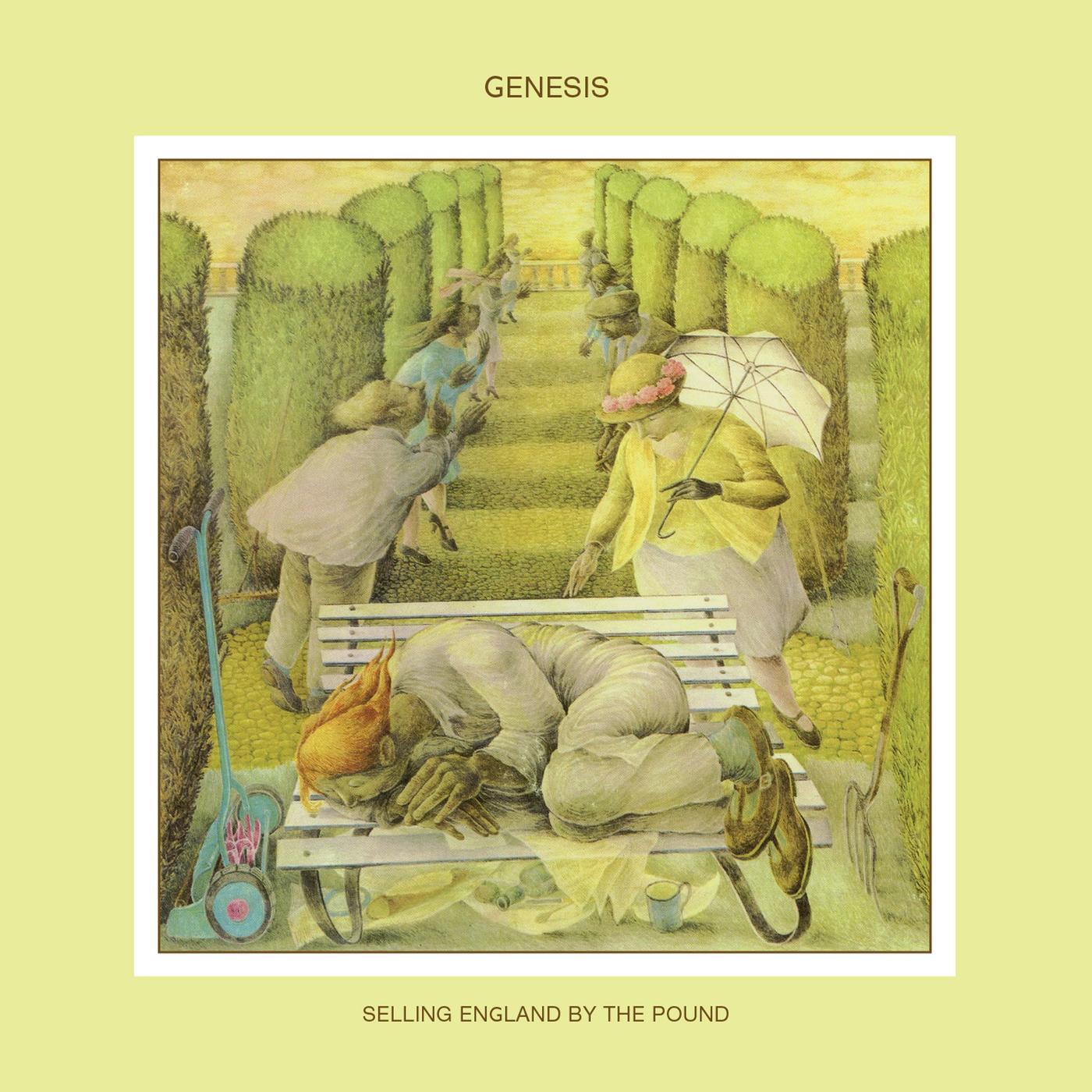
Selling England By The Pound (1973) The pinnacle of the band’s Englishness. Exploring the state of the nation and rocking surprisingly hard. From living room scenes to epic battles — the long and the short of it. Can you tell me where my country lies?
The Lamb Lies Down On Broadway (1974) The band hits the gritty streets of NYC for a double-album rock opera centered around a fictional Puerto Rican graffiti artist named Rael. Does the storyline make sense? Well…. Does it matter? Not really. Cinemascope sound. You gotta get in to get out.
Turn It On Again: The Hits Although the second incarnation made some excellent full-length albums (see below), the bulk of their legacy rests on the hits. Lots and lots of hits. And they’re all collected here (with a couple from the first incarnation thrown in for good measure). Genesis hit the Top Of The Pops in three different decades, but with Phil on vocals they truly helped define the mainstream sound of the 80s.
For further study: If you’re unfamiliar, the above will provide what you need in order to answer basic questions on a music history test, but if those albums intrigue you enough to explore further, go to 1972’s Foxtrot for more Peter Gabriel, 1976’s Trick Of The Tail for Phil’s first album as full-time lead singer, or 1980’s Duke for the band’s best blend before going full-bore, diamond-cut, precision pop.
4 years later…


I loved these albums, and my sons (who grew up with them) did also. Brilliant post.
One of my favorite things about writing this blog is discovering everyone’s musical loves that I didn’t know about. I’m so happy to know Genesis is one of yours! I listen to both incarnations all the time. Absolutely fantastic music.