“When sorrows come, they come not single spies, but in battalions.” — Shakespeare
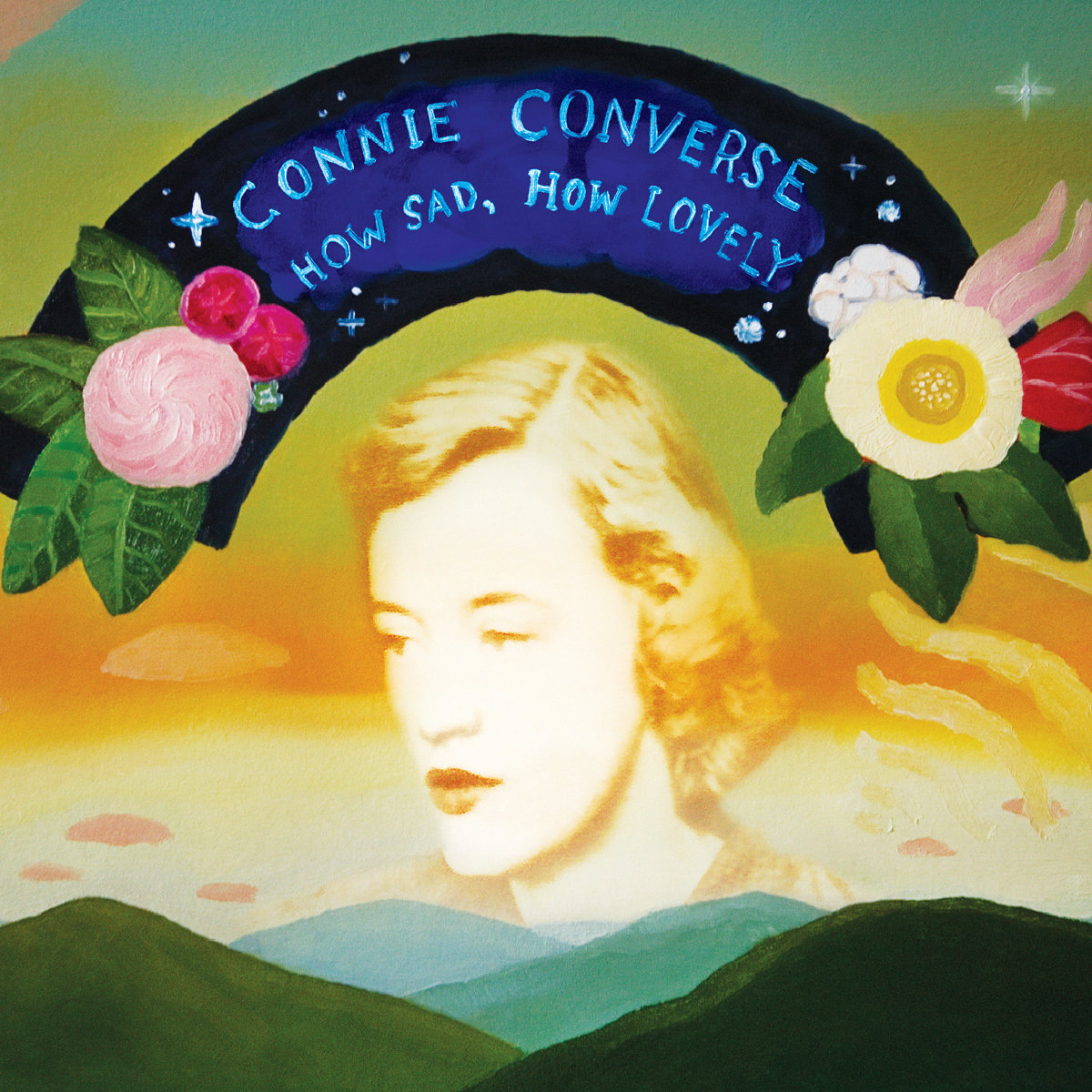
Connie Converse never recorded an album, never released a single, may have never even played in front of a paying audience. She wrote and performed her own songs at a time when few women did so. And those songs, while seemingly influenced by folk and show tunes, sounded utterly unique in the early 1950s.
She was born Elizabeth Converse in New Hampshire in 1924, the middle child of a Baptist minister. After following the straight and narrow her whole life, being named valedictorian of her high school and winning a scholarship to Mount Holyoke, she attended college for only two years before shocking her family and friends by suddenly dropping out and moving to New York.
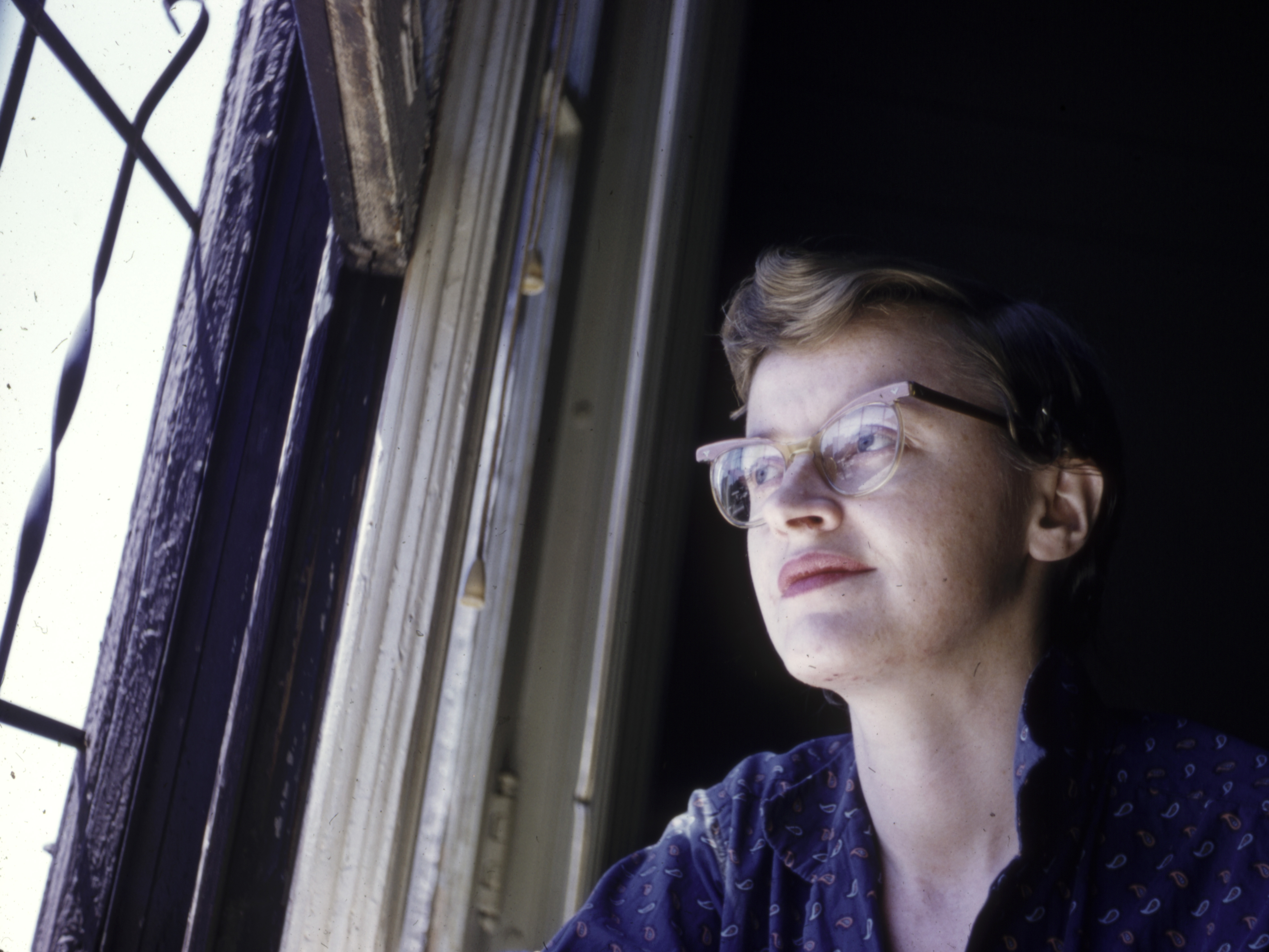
Converse reinvented herself in the big city, changing her name to Connie, taking up drinking and smoking in defiance of her strict upbringing, and falling in with an artsy, Bohemian circle who encouraged her to be herself. While her friends painted or sculpted, Connie picked up a guitar and began writing songs.
Unfortunately, she couldn’t drum up any interest from record labels or nightclubs because she didn’t sound like anyone else. She wasn’t a pop singer like Doris Day or Rosemary Clooney, or a country singer like Patti Page. Her songs utilized unusual chords and structures, containing elements of the folk music which would become popular in the early 1960s, but also some of the personal lyrics of the singer-songwriter movement of the early 70s and the sweetness of 2000s indie-folk.
Converse was occasionally invited to social gatherings to sing a few of her songs (these would take place in front of an audience of strangers and was pretty much the extent of her live performing). In 1954, the host of one of these gatherings asked to record her repertoire and he took the resulting tape and hawked it around town. While he didn’t receive any music biz interest for the aforementioned reasons, he managed to procure Connie an appearance on a CBS morning show with Walter Cronkite. This would be her zenith, the closest she ever came to achieving her dream.
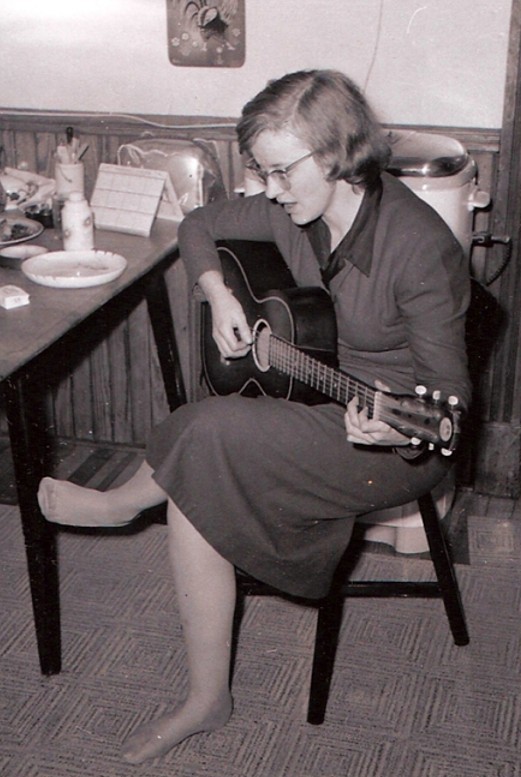
As the years passed, Converse was forced to spend more time on making a living and less time on music. In 1964, she finally gave up and moved to Ann Arbor, Michigan to be near her younger brother and his family. She worked for the next decade as a writer, editor and activist, but by the early 70s she was battling depression and ill health.
In August of 1974, Converse wrote brief notes of goodbye to friends and family, informing them she was moving back to New York (which may or may not have been true — an unsent letter didn’t specify a location, but simply asked people to please let her go). She packed her Volkswagen Beetle, drove away, and was never seen or heard from again. Neither she nor her Beetle were ever found.
30 years later, Gene Deitch, the man who recorded her songs at his house, played a few of them on a radio show. As it happens, a producer heard the show and contacted Deitch about compiling some of the tracks into an album.
Connie Converse finally became a recording artist. She wanted her songs to live forever, and now they will.
Converse’s songs are short so let’s throw in a couple more. Of the three most popular folk artists of the late 40s and early 50s, her folkier songs sound nothing like Woody Guthrie or The Weavers, but occasionally she’s not a million miles away from Burl Ives so it wouldn’t surprise me if she had listened to a few of his records:
And the title track:

