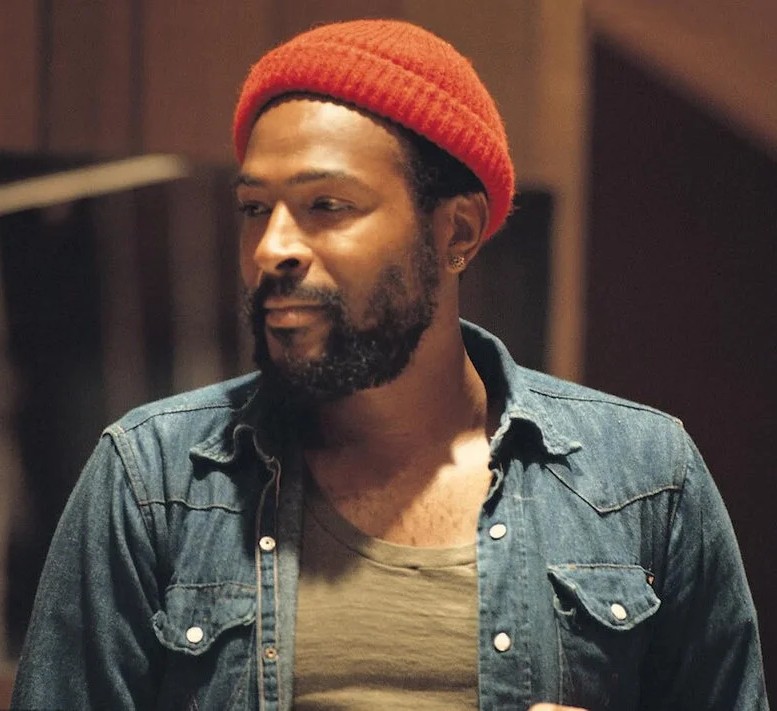
The superego and the id of Motown.
Marvin Gaye was a man of dualities. The son of a preacher, he spent his life battling the sacred and the profane, spiritual highs versus earthly pleasures. He had overwhelming self-confidence, but also experienced long bouts of feeling worthless. He could spend days meticulously working on recording a vocal, or decide to leave the studio five minutes after arriving to go play basketball. He could be sweet, and he could be cruel. Highly analytical and totally irrational. An angel on one shoulder and a demon on the other.
And it all went into his music.
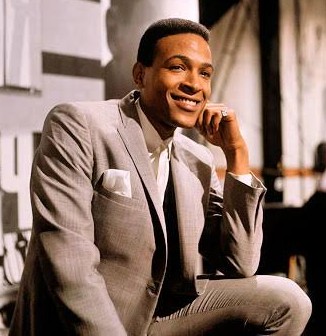
Gaye moved to Detroit as a young man and worked his way up the Motown ladder, hanging out at the office, hustling, getting through the door as a studio drummer and sometime songwriter. When given a chance to make his own records, it took a few years to establish himself, but when Motown exploded in the mid-60s, Marvin Gaye rode the wave.
Soon, he would make his own waves.
Like his fellow artists at Motown, Gaye felt constrained by the label’s demands for constant commercial product. He fought for artistic freedom, and when he won, taking his sweet time and making the exact records he wanted to make in the early 70s, the resulting albums were hailed as masterpieces by critics and fans alike.
Sadly, his personal demons and his failing health eventually took their toll, and even with a massive hit on his hands in the early 80s, Gaye was deteriorating quickly — mentally, spiritually, and physically. He never got the chance to recover. Tragically, Marvin’s father fatally shot him in 1984.
But what he left behind was the best of himself — his music.
Mercy, mercy me. Ain’t no mountain high, ain’t no valley low. Here’s the least you need to know:
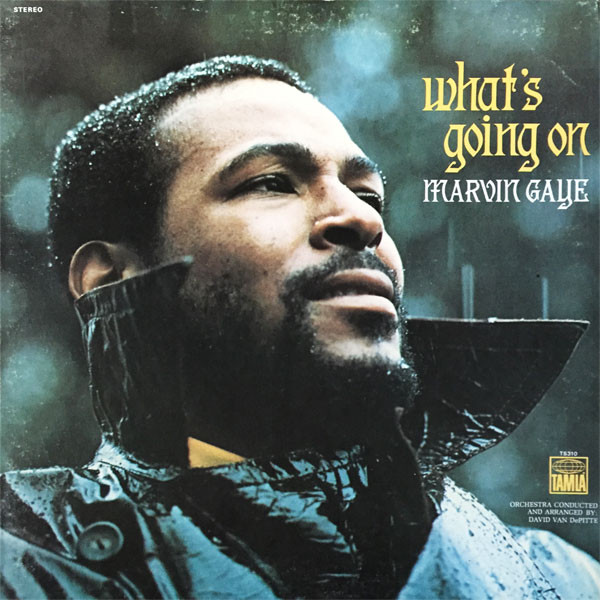
What’s Going On (1971) Both a question and a statement. Searching and documenting. Trying to come to grips with a changing world, a world slipping into darkness. We don’t need to escalate — only love can conquer hate. Right on, baby.
Let’s Get It On (1973) If What’s Going On was the hip and progressive sermon from the preacher’s kid, Let’s Get It On was the preacher’s kid let loose during his first week of Rumspringa (at least on the title track — he would take this to another level on his follow-up album, I Want You). An exploration of love in all its forms, from “take me back” to “take me now.” Massively influential on the R&B music of the next few decades.
Best Of or Gold The problem here is that Best Of is definitely too short and Gold is perhaps a touch too long, but they are still probably the two best compilations if you’re not familiar with Gaye’s music and you need to get familiar. You may as well listen to both (especially since the former has the single version of “Got To Give It Up” and you don’t need the 11 minute version on the latter.)

